Is Cinego Safe and Legal? Security, Privacy, and Legal Considerations
Ready to explore cinego?
Direct portal access to cinego.
Streaming platforms have transformed how we consume entertainment, but not all services operate with the same level of legitimacy or security. When considering cinego as your streaming option, understanding the safety and legal implications becomes crucial for protecting yourself and your devices. Many users find themselves drawn to free streaming alternatives without fully grasping the potential risks involved.
This guide examines the security vulnerabilities, privacy concerns, and legal considerations surrounding cinego. Whether you're a current user or contemplating trying the platform, knowing what you're getting into helps you make informed decisions about your online streaming habits.
Understanding the Legal Status of Free Streaming Platforms
The legality of streaming platforms depends largely on their content licensing agreements and operational structure. Legitimate services like Netflix, Hulu, and Disney+ invest billions in content rights and licensing deals. These platforms operate within established legal frameworks, securing proper distribution rights for every movie and show they offer.
Free streaming sites often exist in murky legal territory. Many operate without proper licensing agreements, essentially hosting or linking to copyrighted content without authorization. The legal consequences vary significantly by jurisdiction, with some countries enforcing strict copyright laws while others take a more relaxed approach.
For cinego specifically, the platform's legal standing raises questions. Most free streaming services that offer recent movies and premium content without subscription fees typically lack proper licensing. This creates potential legal exposure not just for the platform operators, but potentially for users as well.
Copyright Infringement and User Liability
Copyright law treats streaming differently than downloading in many jurisdictions, but that doesn't mean streaming is always legally safe. While downloading creates a permanent copy that clearly violates copyright, streaming exists in a grayer area. However, knowingly accessing copyrighted content through unauthorized sources can still carry legal consequences.
In the United States, the Digital Millennium Copyright Act (DMCA) provides the legal framework for copyright enforcement online. European countries enforce similar protections through EU Copyright Directive. Users caught streaming copyrighted content may face warnings from internet service providers, temporary service suspension, or in severe cases, legal action.
Real-World Legal Consequences
Several countries have taken aggressive stances against unauthorized streaming. Germany's strict copyright enforcement has resulted in users receiving cease-and-desist letters with settlement demands. The UK has blocked hundreds of streaming sites, and ISPs actively monitor for suspicious streaming activity.
While prosecution of individual streamers remains relatively rare compared to content distributors, the risk isn't zero. Rights holders increasingly pursue legal action against persistent infringers, particularly those who share or redistribute content. The legal landscape continues evolving as entertainment companies seek stronger protections for their intellectual property.
Security Vulnerabilities and Malware Risks
Free streaming platforms pose significant security risks that extend beyond legal concerns. These sites often generate revenue through advertising networks that don't maintain the same security standards as legitimate platforms. Malicious actors exploit this by injecting malware into ads or creating fake streaming sites designed to steal personal information.
Common security threats on unauthorized streaming sites include drive-by downloads, where malware installs automatically when visiting a page, and cryptojacking scripts that hijack your device's processing power to mine cryptocurrency. Phishing schemes disguised as login pages or subscription offers attempt to steal credentials and payment information.
How Malware Spreads Through Streaming Sites
Unauthorized streaming platforms typically lack the security infrastructure of legitimate services. They rely on third-party ad networks that may not thoroughly vet advertisers. This creates opportunities for malicious ads that redirect to infected sites or trigger automatic downloads.
Many free streaming sites require disabling ad blockers or allowing pop-ups, which removes critical protective layers. Users might encounter fake "update required" messages prompting them to download infected software disguised as video players or browser updates. These tactics prove remarkably effective at compromising user devices.
Privacy Concerns and Data Collection
Privacy represents another major concern with platforms like cinego. Legitimate streaming services have clear privacy policies and face regulatory oversight regarding data handling. Free streaming sites often lack transparency about what data they collect and how they use it.
These platforms may track viewing habits, device information, IP addresses, and browsing patterns without explicit consent. Some sell this data to third parties or use it for targeted advertising. Without proper security measures, user data remains vulnerable to breaches and unauthorized access.
What Data Gets Collected
Free streaming platforms can access substantial information about users. Beyond basic viewing preferences, they may collect device fingerprints that uniquely identify your hardware, location data revealing your geographic position, and behavioral patterns showing how you interact with content.
This data collection happens without the privacy protections mandated by regulations like GDPR or CCPA. Users have little recourse if their information is misused or leaked. The lack of accountability makes these platforms particularly risky for privacy-conscious individuals.
Internet Service Provider Monitoring and Warnings
ISPs can monitor your internet traffic and identify when you access potentially illegal streaming content. Many providers have implemented copyright alert systems that send warnings to subscribers whose connections are used to access unauthorized content. These systems operate through partnerships with copyright holders who identify IP addresses accessing pirated material.
The typical escalation process starts with educational warnings explaining copyright law. Repeated violations may result in temporary bandwidth throttling or service interruption. In extreme cases, ISPs may terminate service or share user information with copyright holders pursuing legal action.
How to Identify Warning Signs
Copyright alert emails typically come directly from your ISP rather than third parties. They reference specific dates and times when unauthorized streaming allegedly occurred. Legitimate warnings include information about appealing the notice and resources for finding legal content alternatives.
Be cautious of scam emails claiming to be copyright notices but requesting payment or personal information. Genuine ISP warnings don't demand immediate payment or threaten criminal prosecution. When in doubt, contact your provider directly through their official channels to verify any copyright notice.
Comparing Risk Levels Across Streaming Options
Understanding the risk spectrum helps contextualize where cinego sits among streaming alternatives. Paid legitimate services carry virtually no legal risk and maintain strong security standards. They invest heavily in content protection, user privacy, and platform security.
Free ad-supported legal services like Tubi, Pluto TV, and Crackle offer safer alternatives to unauthorized platforms. While they show ads, they operate with proper licensing and don't expose users to legal risks. Their security standards typically exceed those of unauthorized sites.
Unauthorized streaming platforms like cinego present the highest risk profile. They combine legal uncertainty with security vulnerabilities and privacy concerns. The "free" aspect comes at substantial hidden costs in terms of exposure to malware, data collection, and potential legal consequences.
Protective Measures and Risk Mitigation
Users who choose to access platforms like cinego despite the risks should implement protective measures. VPN services encrypt internet traffic and mask IP addresses, reducing ISP visibility and providing some anonymity. However, VPNs don't make illegal activity legal or eliminate malware risks.
Comprehensive security software with real-time protection helps defend against malware distributed through streaming sites. Browser extensions that block malicious scripts and ads provide additional protection layers. Keeping all software updated ensures you have the latest security patches.
Creating a Safer Streaming Environment
Beyond technical protections, safe browsing habits significantly reduce risk. Avoid clicking suspicious links or pop-ups regardless of how legitimate they appear. Never download software or browser extensions prompted by streaming sites. Use separate devices for streaming if possible, isolating potential infections from devices containing sensitive information.
Consider whether the convenience of free streaming justifies the risks involved. Many legitimate services offer affordable plans, free trials, or ad-supported options that eliminate legal concerns while providing better security and privacy protections. The cost savings of free streaming diminish when accounting for potential device repairs, legal fees, or identity theft recovery.
Legal Alternatives Worth Considering
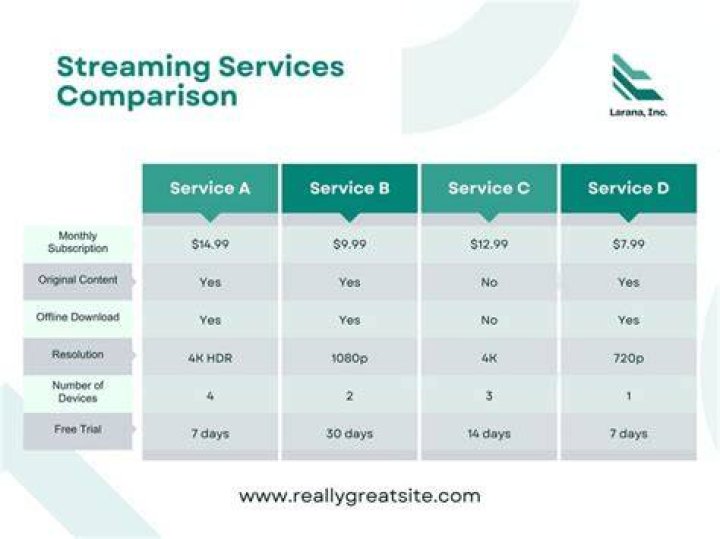
The streaming landscape offers numerous legal alternatives that provide extensive content libraries without security or legal risks. Many services have introduced budget-friendly tiers that compete effectively with unauthorized platforms when considering the total cost of risks.
Free legal streaming services continue expanding their offerings. Tubi features thousands of movies and shows with minimal ads. Pluto TV provides live channels alongside on-demand content. The Roku Channel, IMDb TV, and Peacock's free tier deliver quality entertainment without subscription fees.
Budget-conscious streamers can rotate subscriptions, taking advantage of services when they offer desired content then canceling until new shows arrive. This strategy provides access to premium content at a fraction of maintaining multiple simultaneous subscriptions. Many platforms offer discounted annual plans or bundle deals that reduce per-month costs significantly.
The True Cost of "Free" Streaming
While cinego and similar platforms advertise themselves as free alternatives, hidden costs accumulate through various channels. Device infections may require professional cleaning or replacement. Identity theft resulting from data breaches carries financial and emotional costs that far exceed streaming subscription fees.
Legal consequences, even if relatively unlikely for individual users, carry steep price tags. Copyright settlement demands typically start at several thousand dollars. Legal defense costs escalate quickly if cases proceed beyond initial warnings. ISP service restoration fees and potential criminal fines represent additional financial burdens.
The time investment in dealing with malware infections, identity theft recovery, or legal issues represents another hidden cost. Hours spent researching fixes, contacting authorities, and securing accounts add up quickly. For most users, paying for legitimate streaming services proves far more cost-effective when accounting for these potential expenses.
Final Thoughts
The question of whether cinego is safe and legal doesn't have a straightforward answer that applies to all users in all jurisdictions. From a legal perspective, streaming copyrighted content without proper licensing creates exposure to potential consequences, even if enforcement against individual users remains inconsistent. Security and privacy concerns present more immediate risks, with malware infections and data collection affecting users regardless of legal outcomes.
Ultimately, each user must weigh the perceived benefits of free streaming against documented risks. The proliferation of affordable legal alternatives has significantly reduced the justification for using unauthorized platforms. Whether prioritizing legal compliance, device security, personal privacy, or simply peace of mind, legitimate streaming services offer compelling value propositions that unauthorized platforms cannot match. Making informed choices about streaming sources protects not just your devices and data, but your long-term digital wellbeing.
Explore More on Cinego
Thank you for reading! For more comprehensive guides and site pages, return to the Cinego Homepage .
