Cinego Not Working? Troubleshooting Common Streaming Errors
Ready to explore cinego?
Direct portal access to cinego.
Streaming interruptions can turn movie night into a frustrating experience. When Cinego stops working properly, whether through buffering issues, error messages, or complete playback failures, you need quick solutions to get back to your content. These problems often stem from common technical issues that have straightforward fixes once you understand what's causing them.
This guide walks through the most frequent streaming errors users encounter and provides step-by-step troubleshooting methods. By identifying the specific problem and applying the right solution, you can resolve most issues within minutes and restore your viewing experience.
Understanding Why Streaming Services Stop Working
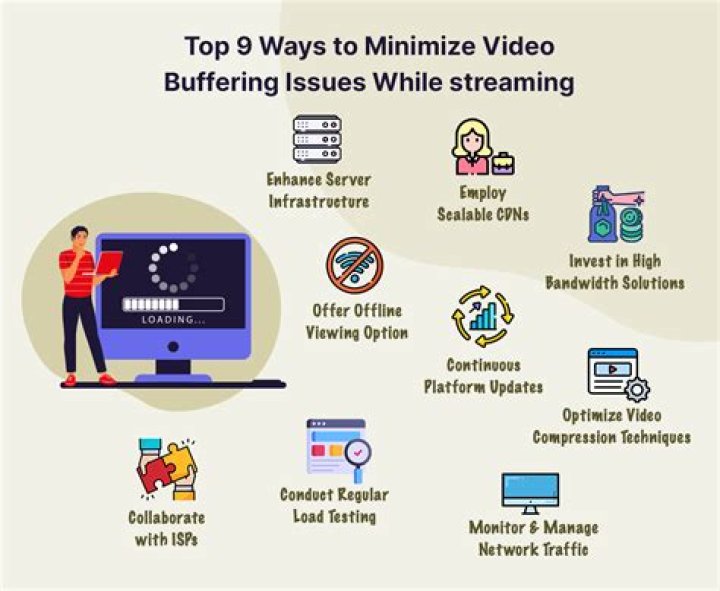
Streaming platforms rely on multiple interconnected systems working together seamlessly. Your internet connection, device hardware, browser performance, and server availability all play critical roles. When any component experiences problems, the entire streaming experience can break down.
Network congestion during peak hours often creates bottlenecks that prevent smooth video delivery. Server-side issues on the platform's end can also cause widespread access problems. Meanwhile, outdated browsers or accumulated cache data on your device may trigger compatibility errors that block content from loading properly.
Quick Fixes That Resolve Most Streaming Problems
Before diving into complex troubleshooting, try these immediate solutions that fix the majority of common issues. Start with a simple page refresh using your browser's reload button or pressing F5. This clears temporary glitches and re-establishes the connection to the streaming server.
If refreshing doesn't work, close your browser completely and reopen it. This terminates all background processes and provides a clean slate for the streaming service. Many users find that simply restarting their device resolves persistent problems by clearing memory and resetting network connections.
Clearing Browser Cache and Cookies
Accumulated cache files can interfere with website functionality over time. Access your browser settings and locate the privacy or history section. Select the option to clear browsing data, making sure to include cached images, files, and cookies from the past week or month.
After clearing the cache, restart your browser and navigate back to Cinego. This forces your browser to download fresh files and establish new session data, often eliminating playback errors caused by corrupted stored information.
Diagnosing Internet Connection Issues
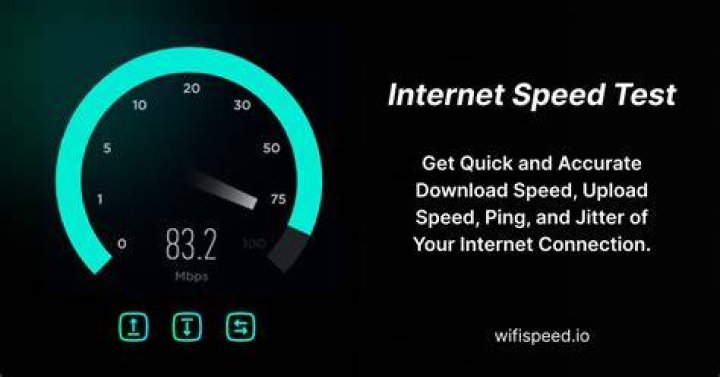
Streaming quality depends heavily on consistent internet speeds. Run a speed test using services like Speedtest.net or Fast.com to check your current download rates. Standard definition content requires at least 3 Mbps, while HD streaming needs 5-8 Mbps, and 4K content demands 25 Mbps or higher.
If your speeds fall below these thresholds, other devices or applications on your network may be consuming bandwidth. Pause downloads, close streaming on other devices, and limit background updates to free up bandwidth for your viewing session.
Router and Modem Troubleshooting
Network equipment occasionally needs resetting to maintain optimal performance. Unplug your modem and router, wait thirty seconds, then plug the modem back in first. Once all lights stabilize, reconnect the router and allow both devices to fully restart before testing your connection again.
Position yourself closer to your router if using Wi-Fi, or switch to a wired ethernet connection for the most stable streaming experience. Physical obstacles and distance from your router significantly impact wireless signal strength and streaming reliability.
Resolving Browser Compatibility Problems
Outdated browsers lack support for modern streaming technologies and security protocols. Check your browser version by accessing the help or about section in your settings menu. Download and install any available updates to ensure compatibility with current web standards.
Browser extensions and ad blockers sometimes interfere with video players and content delivery networks. Try disabling extensions temporarily or switching to incognito mode, which runs the browser without add-ons. If streaming works in incognito mode, you've identified an extension conflict that needs addressing.
Trying Alternative Browsers
Different browsers handle streaming protocols differently. If problems persist in your primary browser, test Cinego on Chrome, Firefox, Edge, or Safari. This helps determine whether the issue is browser-specific or affects all platforms equally.
Keep at least two updated browsers installed on your device for troubleshooting purposes. Having alternatives ensures you can continue streaming even when one browser experiences technical difficulties or compatibility issues.
Fixing Video Player Errors and Loading Failures
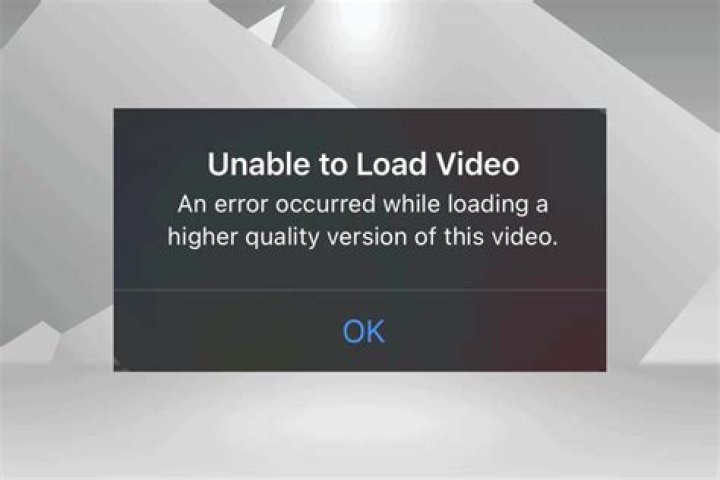
When the video player displays error codes or refuses to load, JavaScript issues often cause the problem. Ensure JavaScript is enabled in your browser settings, as streaming platforms require it for player functionality. Navigate to your browser's content settings and verify that JavaScript permissions are active.
Hardware acceleration in browsers can cause conflicts with certain graphics drivers. Access your browser's advanced settings and toggle hardware acceleration off, then restart the browser. If playback improves, the issue relates to GPU rendering rather than network or server problems.
Addressing Device-Specific Streaming Issues
Mobile devices face unique challenges including limited processing power and variable network conditions. Close unused apps running in the background to free up system resources. Check that your device has adequate storage space, as insufficient memory can prevent video buffering and cause playback interruptions.
Update your device's operating system and the apps you use for streaming. Manufacturers regularly release patches that improve performance and fix bugs affecting media playback. Navigate to your device settings and install any pending system or app updates.
Smart TV and Streaming Device Solutions
Smart TVs and dedicated streaming devices occasionally develop firmware issues. Access your device's settings menu and check for system updates. Install any available updates and restart the device completely before attempting to stream again.
If using a streaming stick or box, verify that it has proper ventilation and isn't overheating. Overheating causes performance throttling that manifests as buffering and connection errors. Ensure adequate airflow around the device and consider moving it to a cooler location.
Dealing with Geographic Restrictions and Access Errors
Content availability varies by region due to licensing agreements and distribution rights. If you encounter messages about geographic restrictions, the service may not be accessible from your current location. Some users report access issues when using VPNs or proxy servers that mask their actual location.
Disable any VPN or proxy services temporarily and try accessing the platform directly through your standard internet connection. Streaming services often block known VPN IP addresses to enforce regional licensing agreements, which can trigger access denied errors.
When Server Issues Are Beyond Your Control

Platform-wide outages affect all users simultaneously and require patience while technical teams resolve the problem. Check social media channels or outage tracking websites like DownDetector to confirm whether others are experiencing similar issues. If widespread problems are reported, the issue lies with the service's infrastructure rather than your setup.
Server maintenance typically occurs during low-traffic hours and usually resolves within minutes to a few hours. During these periods, attempting multiple fixes on your end won't help since the problem originates from the platform's servers.
Advanced Troubleshooting for Persistent Problems
For issues that resist standard fixes, examine your DNS settings. Switching to public DNS servers like Google DNS (8.8.8.8 and 8.8.4.4) or Cloudflare DNS (1.1.1.1) can improve connection reliability and resolve routing issues. Access your network settings and manually configure DNS servers, then test streaming performance again.
Firewall and antivirus software sometimes block streaming connections they incorrectly identify as threats. Temporarily disable security software to test whether it's interfering with playback. If disabling security resolves the issue, add the streaming site to your security software's whitelist or exception list.
Checking for ISP Throttling
Some internet service providers limit bandwidth for streaming services during peak usage times. Compare your streaming performance at different times of day. If you notice significantly better performance during off-peak hours, throttling may be occurring.
Running a VPN can sometimes bypass ISP throttling by encrypting your traffic so providers can't identify streaming activity. However, VPNs can also reduce speeds due to encryption overhead, so test with and without VPN connectivity to determine which provides better results.
Optimizing Your Setup for Better Streaming Performance
Preventive measures reduce the frequency of streaming problems. Set your router to use less congested Wi-Fi channels by accessing your router's admin panel and scanning for channel interference. Switch to 5GHz Wi-Fi bands when available, as they offer faster speeds and less interference than 2.4GHz networks.
Lower your streaming quality settings manually during periods of slow connectivity. Most platforms including Cinego allow you to select video quality, and choosing a lower resolution prevents buffering while maintaining continuous playback. You can always increase quality again when network conditions improve.
Final Thoughts
Most streaming errors have straightforward solutions once you identify the root cause. Start with simple fixes like refreshing the page and clearing your cache before moving to more complex troubleshooting steps. Systematic testing helps you pinpoint whether problems originate from your device, network, browser, or the platform's servers.
Regular maintenance of your devices and network equipment prevents many issues before they occur. Keep browsers updated, clear cache periodically, restart your router monthly, and monitor your internet speeds. When problems do arise on Cinego, this troubleshooting framework gives you a clear path from diagnosis to resolution, minimizing downtime and getting you back to streaming quickly.
Explore More on Cinego
Thank you for reading! For more comprehensive guides and site pages, return to the Cinego Homepage .
